From Idea to Impact: Building Logistics Startups with MVP Strategy
A late shipment can cost a company thousands, but a delayed software launch can cost a startup its entire market opportunity.
In the logistics industry, speed and efficiency are essential for success. Businesses today rely heavily on technology to manage supply chains, track shipments, and optimize transportation routes. However, launching a full-scale logistics platform without validating the concept can lead to wasted resources. This is why startups and enterprises increasingly adopt Logistics Software MVP Development, a strategic approach that allows companies to test ideas, reduce risk, and build scalable solutions based on real market feedback.
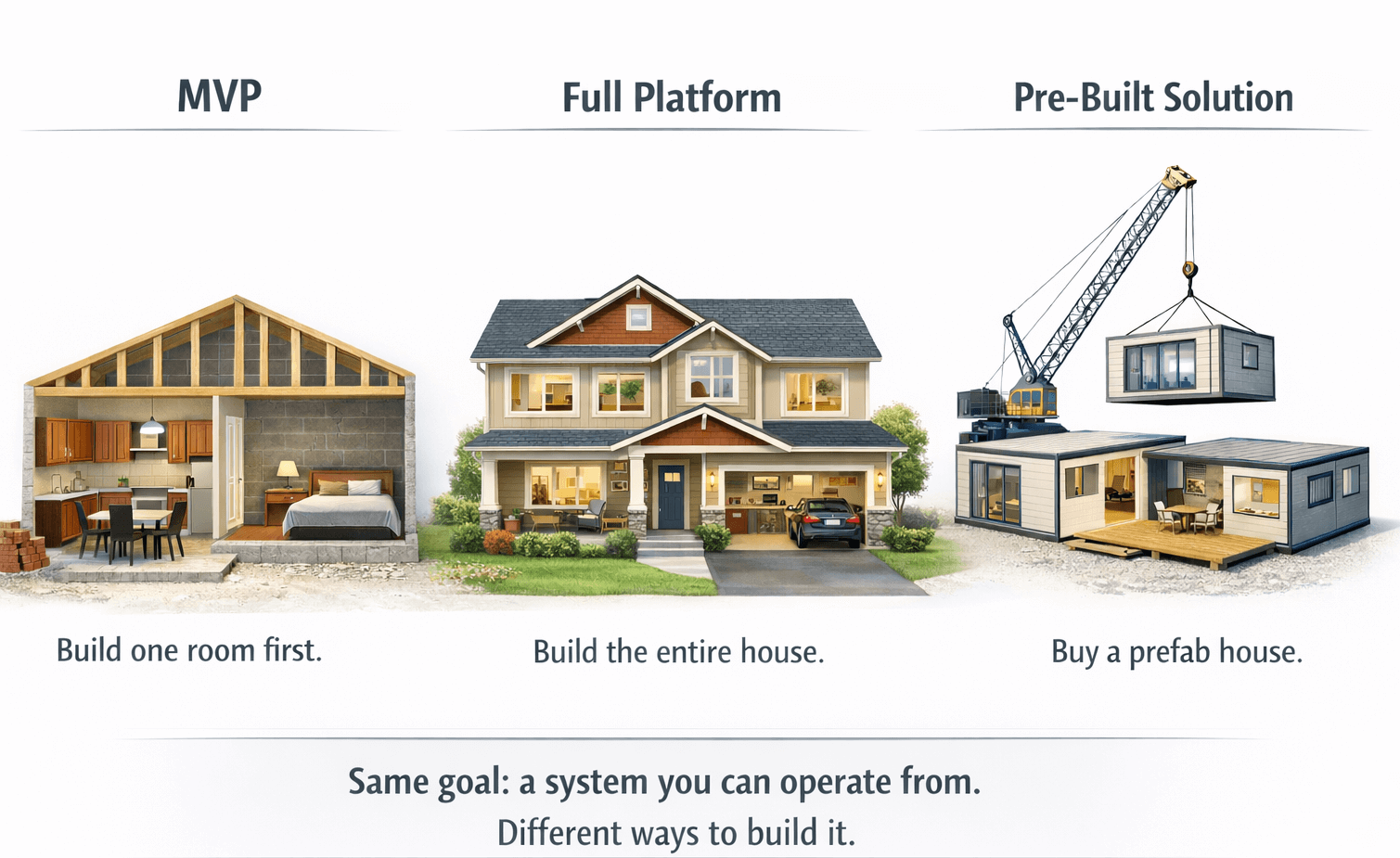
Understanding the Role of MVP in Modern Logistics Technology
The logistics industry is rapidly evolving with digital platforms transforming how shipments are tracked, managed, and optimized. Companies must innovate quickly to stay competitive while minimizing financial risk. A Minimum Viable Product (MVP) approach allows businesses to launch a simplified version of a platform with essential features, collect user feedback, and refine the solution before full-scale development. In the middle of many successful digital transformations lies Logistics Software MVP Development, which enables organizations to validate operational workflows, improve delivery tracking systems, and confirm product-market fit without committing to costly long-term development cycles.
Key Advantages of MVP-Based Development in Logistics Platforms
Developing a logistics platform involves complex integrations such as fleet management systems, warehouse management tools, route optimization engines, and shipment tracking technologies. Building all these systems at once can lead to budget overruns and technical complications. Instead, an MVP strategy focuses on delivering only the most critical features first. Within this framework, Logistics Software MVP Development helps businesses test routing algorithms, shipment visibility tools, and customer interfaces in real market conditions. Feedback from early users enables developers to refine functionalities while ensuring that the final platform aligns with operational needs and industry standards.
Core Components of Effective Logistics MVP Solutions
A well-designed logistics MVP must address key operational challenges such as real-time tracking, inventory visibility, and communication between stakeholders. Developers typically prioritize features that bring immediate value, such as shipment monitoring dashboards, route planning tools, and automated notifications. During the process of Logistics MVP Development, teams identify the most critical features that validate the product’s viability in the market. This strategic focus ensures that businesses avoid unnecessary development costs while still delivering meaningful functionality that improves operational efficiency and customer satisfaction across supply chain networks.
Scaling Logistics Platforms After MVP Validation
Once an MVP has been tested and validated by early adopters, businesses can confidently expand the system’s capabilities. Additional features such as AI-driven demand forecasting, advanced analytics, and warehouse automation can be integrated based on real user needs. The iterative nature of Logistics MVP Development allows organizations to prioritize improvements that deliver measurable impact. Instead of building a rigid system from the beginning, companies evolve their platforms gradually, ensuring each upgrade enhances usability, scalability, and performance in increasingly complex logistics environments.
Conclusion: Building Smarter Logistics Platforms Through MVP Strategy
The logistics sector demands innovation, speed, and adaptability. Launching a complete software platform without validation often leads to financial risk and operational challenges. By adopting an MVP-driven approach, businesses gain the ability to test concepts, gather real-world insights, and refine technology before committing to large-scale investments. Reliable development partners play a critical role in this process, helping organizations design flexible and scalable solutions tailored to industry needs. Professional technology providers such as whitefox.cloud support logistics companies in transforming ideas into functional MVP platforms that evolve into powerful digital logistics ecosystems.


Comments
Post a Comment