Building Smarter Supply Chains Through Agile Logistics MVP Solutions
A delayed shipment once caused a global retailer to lose millions in a single day, highlighting how fragile supply chains can be without the right technology. In today’s fast-paced digital economy, logistics systems must be agile, scalable, and efficient. This article explores how Logistics Software MVP Development plays a crucial role in transforming traditional logistics into modern, data-driven ecosystems. The main focus is on how businesses can leverage MVP strategies to test ideas, reduce risks, and accelerate innovation in logistics operations.
Understanding the Role of MVPs in Logistics Innovation
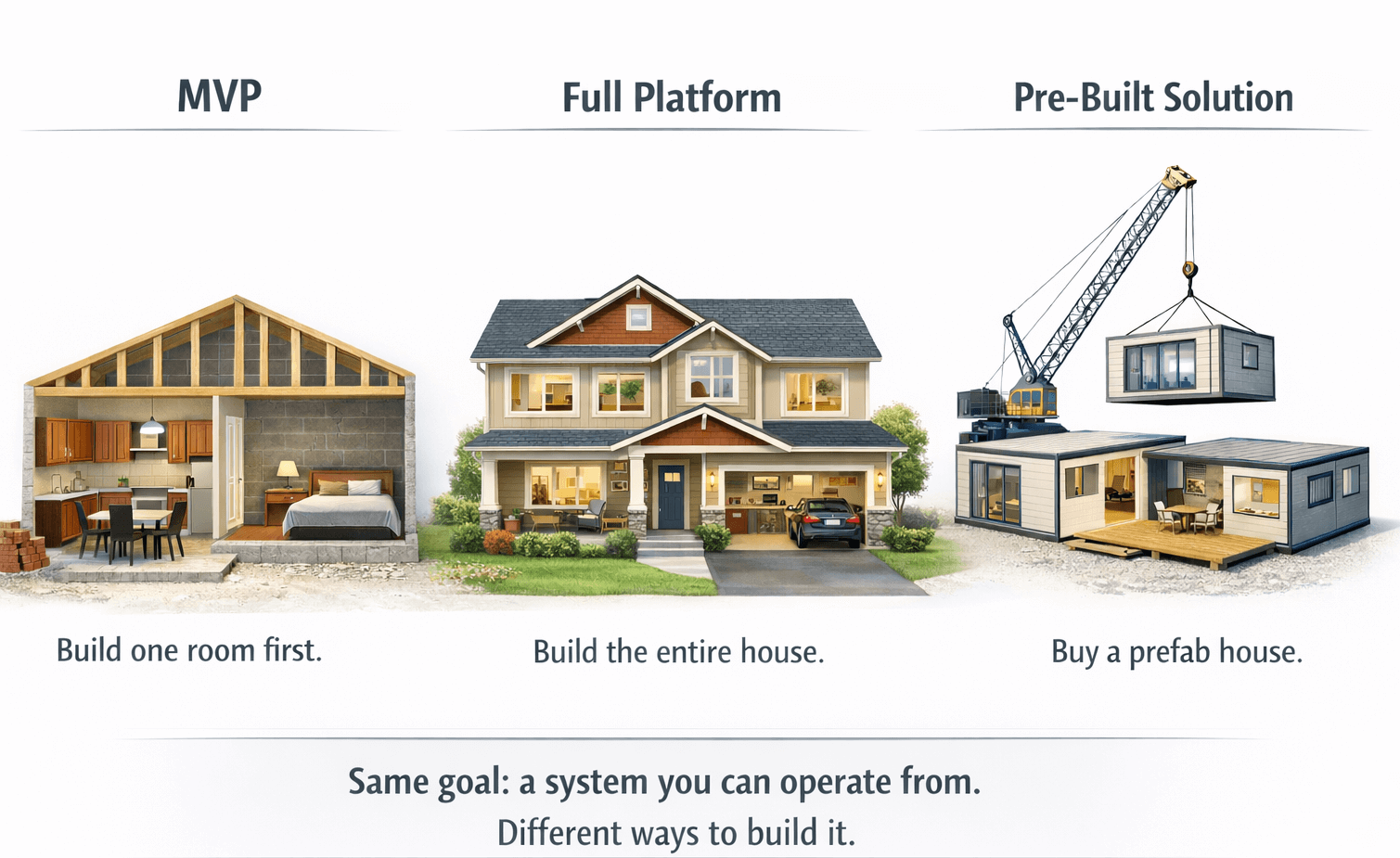
Modern logistics is no longer limited to transportation and storage; it now involves complex coordination, data analytics, and real-time tracking. Logistics Software MVP Development allows businesses to build a basic yet functional version of their solution to validate core features before full-scale development. This approach minimizes financial risks and provides valuable feedback from real users. By focusing on essential functionalities first, companies can ensure that their logistics software aligns with operational needs while remaining flexible enough to adapt to market changes.
Key Benefits of Agile Development in Logistics Systems
Agile methodologies have become a cornerstone in technology development, particularly in logistics. By breaking projects into smaller iterations, businesses can quickly adapt to changing requirements and customer expectations. This process ensures continuous improvement and faster delivery of functional features. Logistics companies benefit from improved transparency, reduced development time, and enhanced collaboration between teams. As digital transformation accelerates, adopting agile practices helps organizations stay competitive while maintaining efficiency in their supply chain operations without compromising quality or performance.
Bridging Market Needs with Practical MVP Solutions
Identifying real-world problems and addressing them with targeted solutions is essential in logistics. Logistics MVP Development focuses on creating a simplified version of a product that addresses key pain points such as route optimization, inventory tracking, and delivery scheduling. This approach enables businesses to test assumptions and gather insights before committing to a full-scale system. By aligning development with actual market demands, organizations can avoid unnecessary features and ensure that their logistics solutions deliver tangible value to users and stakeholders.
Scaling Logistics Platforms Through Iterative Improvements
Once an MVP proves successful, the next step involves scaling the solution to meet growing demands. Logistics MVP Development supports this progression by allowing continuous enhancements based on user feedback and performance data. This iterative approach ensures that the platform evolves in alignment with business goals and customer expectations. Companies can gradually integrate advanced features such as predictive analytics and automation, creating a robust logistics ecosystem that supports long-term growth while maintaining operational efficiency and reliability in dynamic market conditions.
Challenges and Considerations in Logistics MVP Creation
Despite its advantages, developing an MVP for logistics comes with challenges. These include data integration complexities, ensuring system scalability, and maintaining security standards. Businesses must carefully plan their development strategy to address these issues effectively. Collaboration between developers, logistics experts, and stakeholders is essential to create a solution that meets industry standards. Additionally, selecting the right technology stack and development partner plays a critical role in ensuring the success of the MVP and its ability to evolve into a full-scale system.
Future Trends Shaping Logistics Technology Development
The logistics industry continues to evolve with advancements in artificial intelligence, Internet of Things, and blockchain technologies. These innovations are reshaping how goods are tracked, managed, and delivered across global supply chains. MVP development serves as a gateway for businesses to experiment with these technologies without significant investment risks. As digital transformation becomes more prevalent, logistics companies that embrace innovation through MVP strategies are better positioned to adapt to future trends and maintain a competitive edge in the market.
Conclusion: Driving Logistics Transformation with Strategic MVP Development
The journey from concept to fully functional logistics software requires careful planning, validation, and execution. MVP development provides a practical pathway for businesses to test ideas, reduce risks, and deliver value efficiently. By leveraging both Logistics Software MVP Development and scalable strategies, organizations can build solutions that meet evolving market demands. For businesses seeking reliable development expertise, whitefox.cloud offers tailored solutions that align with modern logistics challenges, ensuring sustainable growth and innovation in an increasingly competitive landscape.


Comments
Post a Comment