FHIR Integration and FHIR Integration & Implementation Services
Introduction
Healthcare technology is rapidly evolving, and interoperability between systems is more important than ever. FHIR (Fast Healthcare Interoperability Resources) is a modern standard designed to facilitate the exchange of healthcare information in a consistent and secure way. Organizations looking to improve data sharing and patient care increasingly turn to FHIR integration.
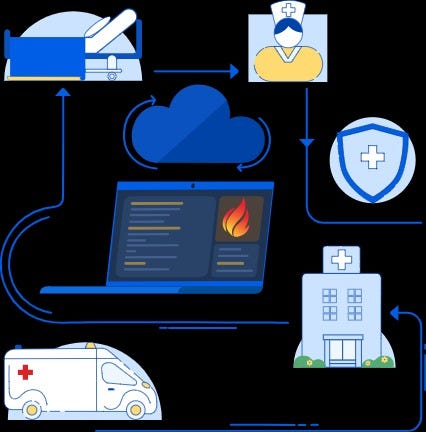
What Is FHIR Integration?
FHIR integration is the process of connecting healthcare applications, electronic health records (EHR), medical devices, and other systems using the FHIR standard. This allows disparate systems to communicate seamlessly by sharing healthcare data such as patient records, lab results, appointments, and medication information.
FHIR uses web technologies like RESTful APIs and JSON/XML data formats to enable fast, secure, and standardized data exchange. This approach makes it easier for healthcare providers to access accurate and up-to-date patient information across multiple platforms.
Benefits of FHIR Integration
- Improved Data Interoperability: Enables smooth data sharing between different healthcare systems.
- Enhanced Patient Care: Providers get timely access to comprehensive patient data.
- Regulatory Compliance: Helps organizations meet industry standards such as HIPAA.
- Reduced Costs and Errors: Automates data exchange and minimizes manual entry.
- Flexibility and Scalability: Supports integration with legacy systems and future technologies.
What Are FHIR Integration & Implementation Services
These specialized services help healthcare organizations design, develop, and deploy FHIR-compliant systems. Key offerings typically include:
- Assessment & Planning: Evaluate existing systems and design integration strategies.
- FHIR API Development: Build and customize APIs for data exchange.
- System Integration: Connect EHRs, clinical applications, mobile apps, and devices.
- Testing & Validation: Ensure interoperability, security, and compliance.
- Maintenance & Support: Provide ongoing monitoring, upgrades, and troubleshooting.
These services are often delivered by teams skilled in healthcare IT standards, software development, and cloud platforms.
Who Needs FHIR Integration Services?
- Hospitals and healthcare providers seeking unified patient records.
- Health tech companies building interoperable apps and platforms.
- Insurance companies automating claims and member data exchange.
- Government agencies aiming for standard-compliant public health data systems.
Example Provider: Whitefox Cloud
Conclusion
FHIR integration is crucial for modern healthcare systems aiming to deliver connected, patient-centered care. By leveraging specialized FHIR integration and implementation services, organizations can ensure seamless data flow, better compliance, and improved operational efficiency.


Comments
Post a Comment